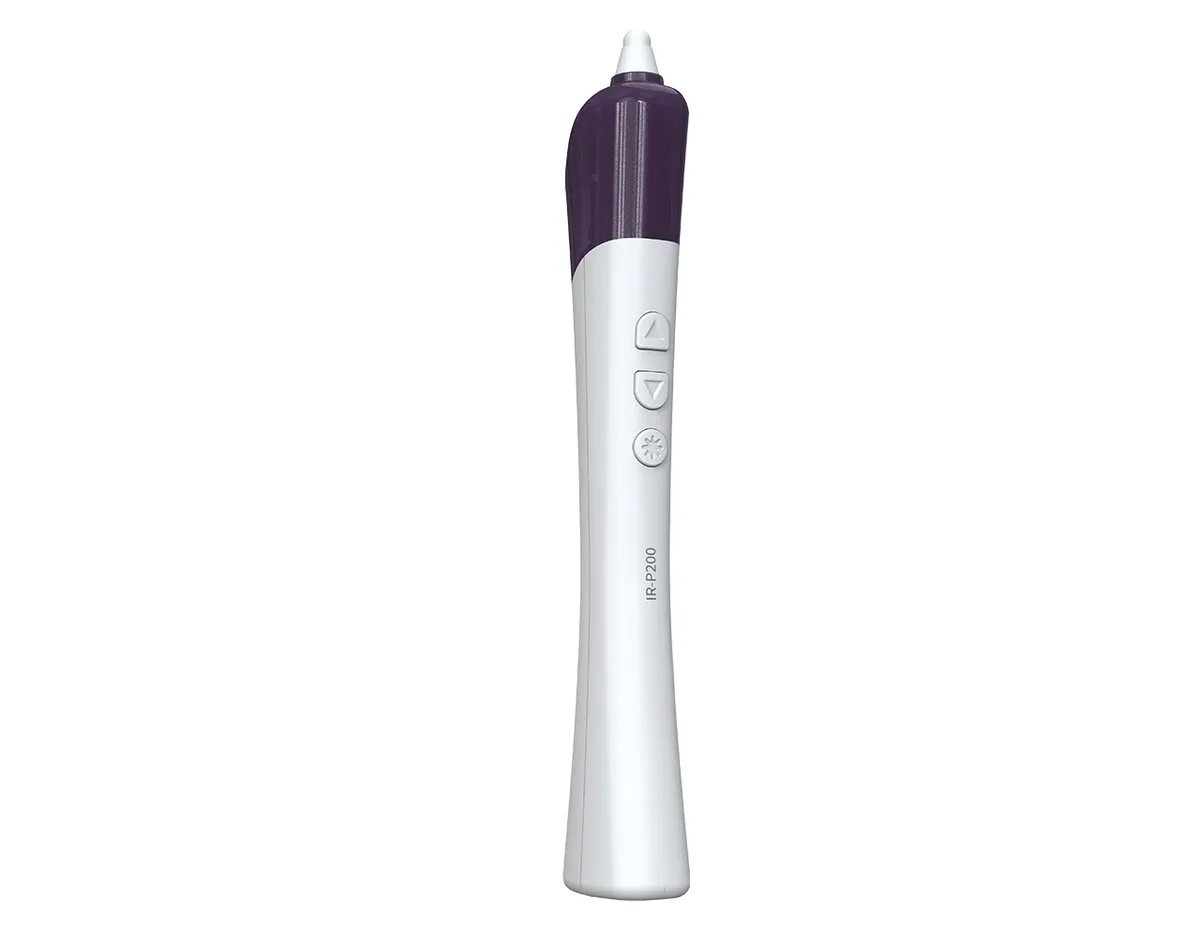
Pendant, Headworn or Handheld: Choosing the Right Classroom Microphone

Most classroom audio systems are sold with a choice of microphone: pendant, headworn, handheld or a bodypack with a lapel. The decision looks like a matter of taste. In practice it determines how consistently the system is used, how much gain the room can support before feedback, and whether the investment survives its second year.
This guide compares the four formats on the criteria that matter in a school: vocal effort, gain before feedback, daily handling and battery routine.
Distance from the mouth is the variable that matters
Every microphone’s output depends on how far it is from the speaker’s mouth. Doubling the distance loses roughly 6 dB. A handheld held at 5 cm delivers a far stronger signal than a pendant at 25 cm — which is why handheld microphones tolerate poorer room acoustics and louder environments.
But the handheld’s advantage only exists while it is held at the mouth. Set it on a desk while the teacher writes on the board and the level collapses. The practical question is not which format is better in the abstract, but which one matches how the teacher actually moves through a lesson.
Pendant microphones
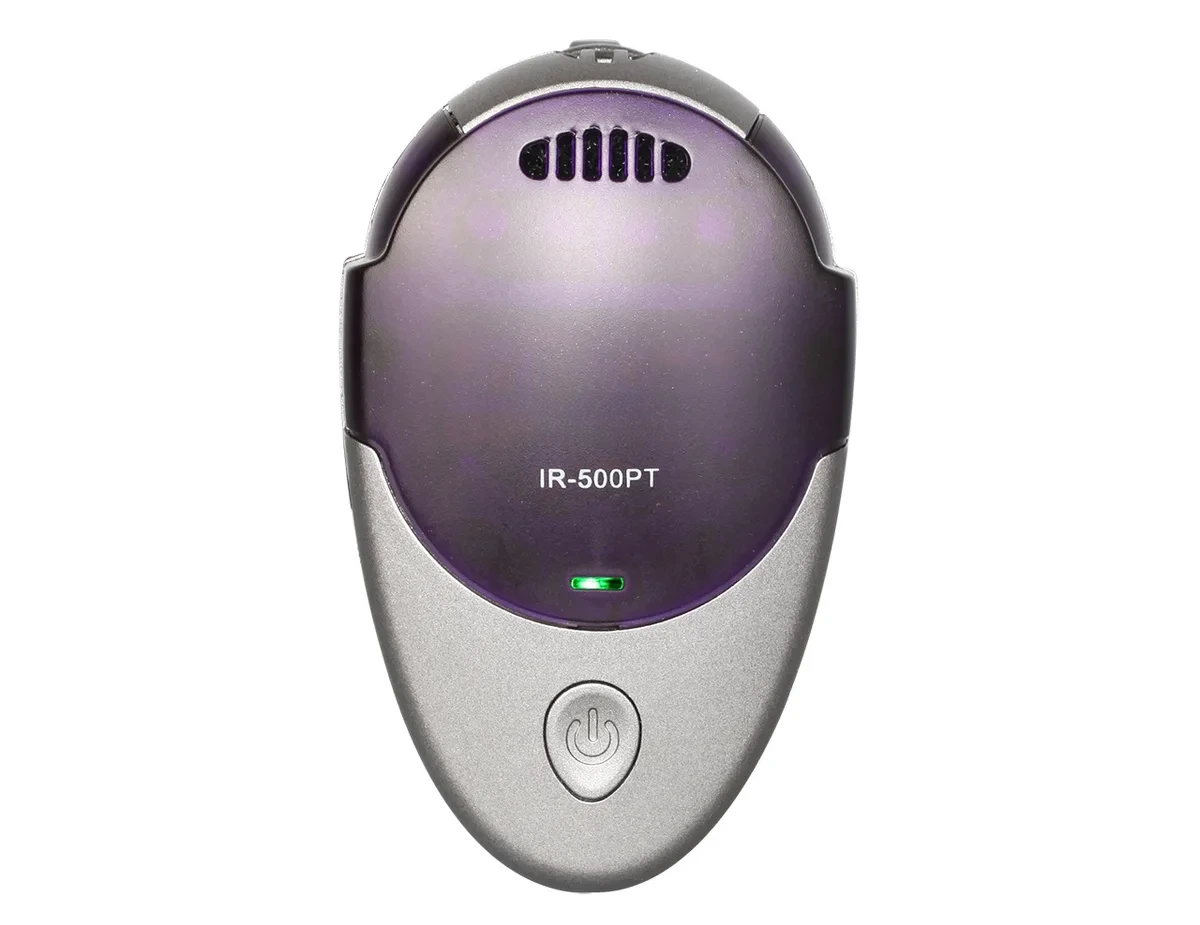
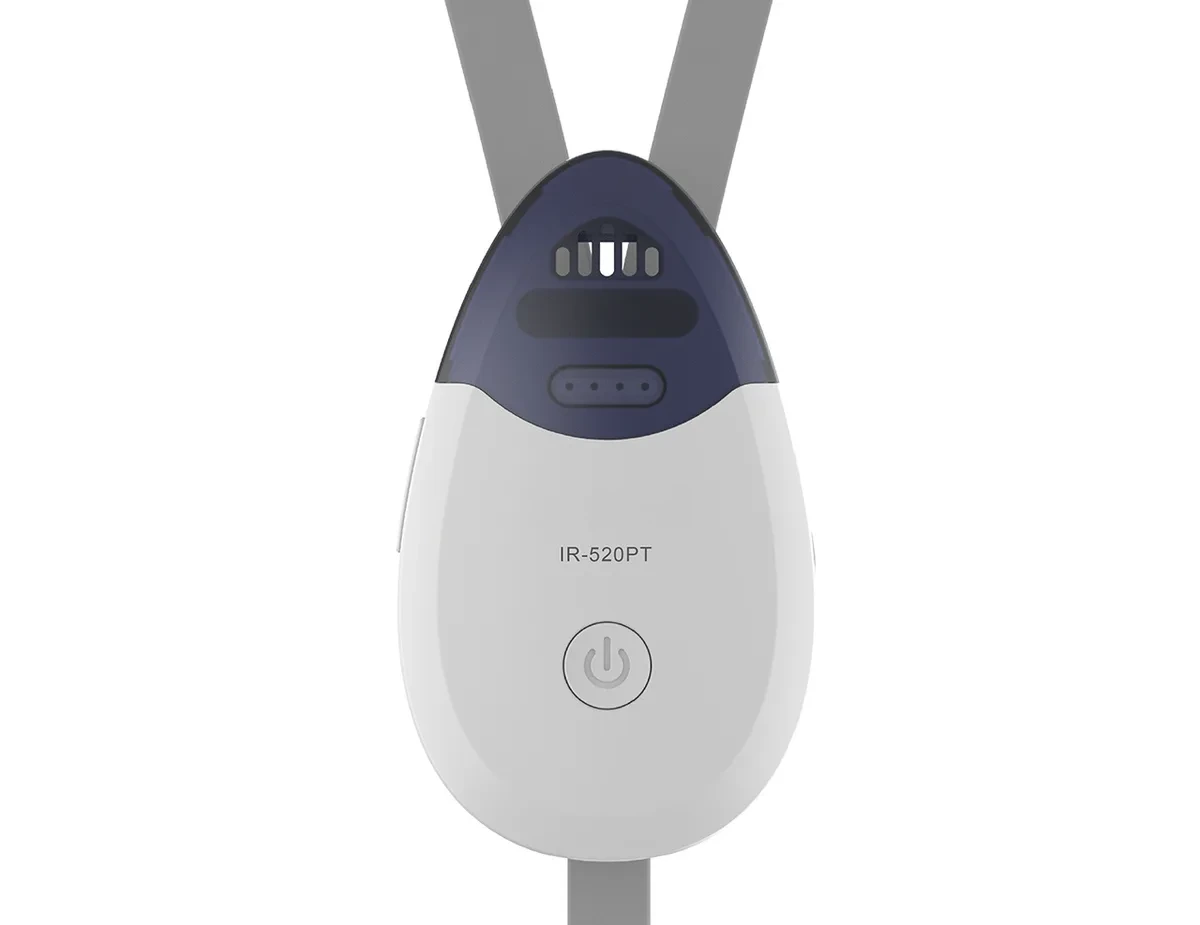
A pendant hangs at chest height on a lanyard, with the microphone element facing outward. It is the most common choice in primary and secondary classrooms because it is hands-free, quick to put on, and comfortable for a full day.
The trade-off is distance. At 20–30 cm from the mouth, a pendant picks up more room sound than a headworn microphone and reduces the available gain before feedback. In a standard classroom with reasonable acoustics this is a non-issue. In a gymnasium, a science lab with extractor fans or a room with hard parallel walls, the pendant’s lower signal-to-noise ratio becomes the limiting factor.
Pendants also vary in emission pattern. Models designed for infrared classroom use emit across a wide angle so the wearer can turn towards the board without losing the link — worth checking, because a narrow pattern turns every turn into a dropout.
Headworn microphones
A headworn microphone sits 2–5 cm from the mouth and delivers the highest signal-to-noise ratio of any classroom format. It gives the most gain before feedback, the most consistent level and the least vocal effort — the strongest voice-protection option.
The reasons schools hesitate are practical: teachers find them visually intrusive, hair and glasses interfere with the fit, and they need cleaning between users. Where a room is genuinely difficult — a double-height hall, a noisy workshop — a headworn microphone solves problems that no amount of speaker repositioning will fix.
Handheld microphones
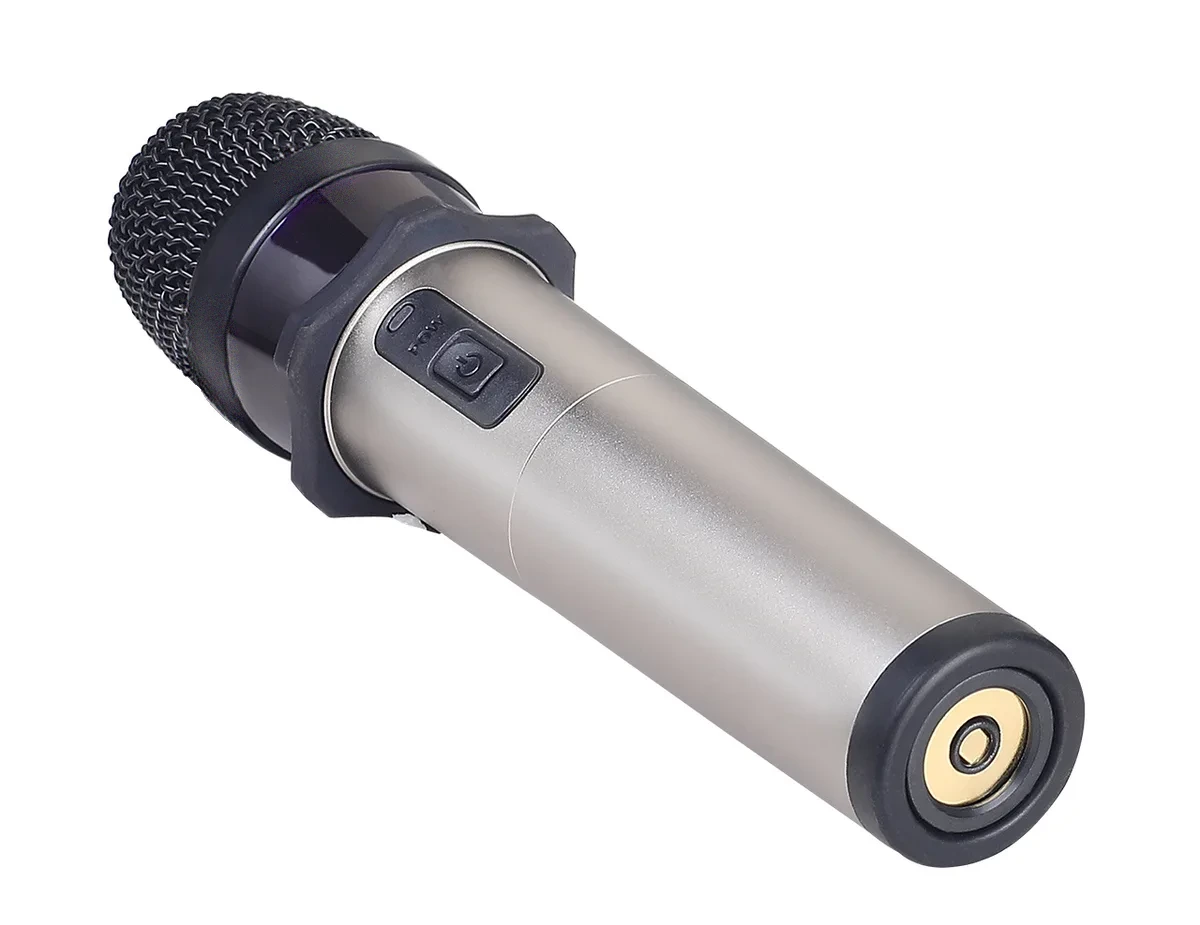
Handheld microphones suit assemblies, Q&A, visiting speakers and PE. They are robust, easy to disinfect and understood by everyone. In a classroom they are a poor daily driver because the teacher needs both hands, and the level changes whenever the microphone is set down.
The best pattern in schools is a pendant for the class teacher plus one handheld per department or hall for the situations that need it. Sharing a handheld between rooms works if the charging routine is simple.
Bodypack with lapel
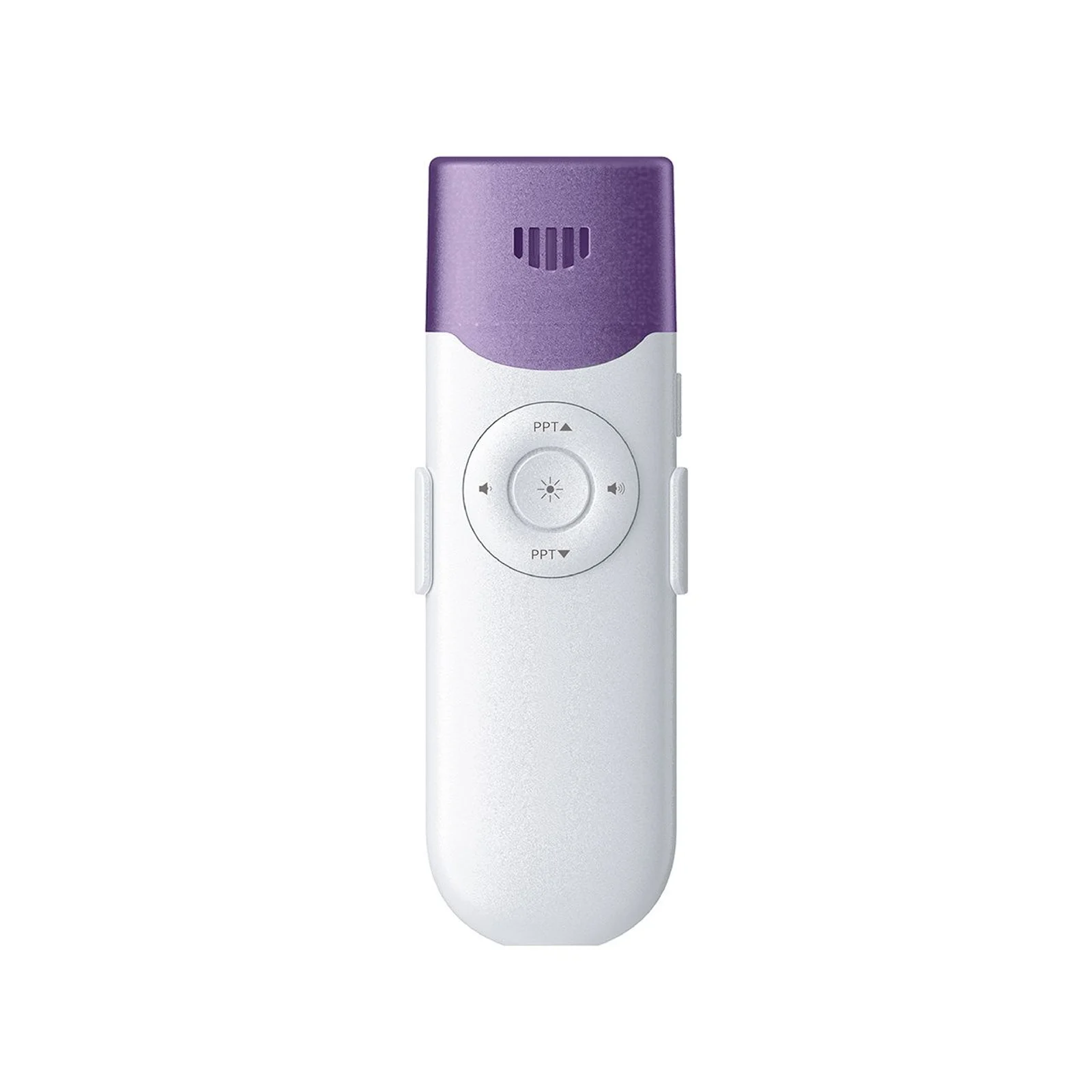
A bodypack with a clip-on lapel gives a similar distance to a pendant, with the transmitter on the belt rather than the chest. It is common in theatre and lecture settings and works well under a jacket. For classroom use it adds a cable and a clipping task without a clear acoustic advantage over a pendant.
Comparison
| Criterion | Pendant | Headworn | Handheld | Bodypack + lapel |
|---|---|---|---|---|
| Distance from mouth | 20–30 cm | 2–5 cm | 5–10 cm while held | 15–25 cm |
| Hands free | Yes | Yes | No | Yes |
| Gain before feedback | Moderate | Highest | High | Moderate |
| Level consistency | High | Highest | Depends on the user | High |
| Daily handling | Easy | Fit and cleaning needed | Easy | Cable and clip |
| Best use | General classrooms | Large, noisy or difficult rooms | Assemblies, Q&A, PE | Lectures, theatre |
Battery and charging routine
Format affects charging more than it first appears. Pendants and handhelds dock in a cradle; headworn microphones often use a bodypack that needs a cable or a separate dock. If the charging routine is awkward, batteries will be flat when they are needed.
Whatever format is chosen, specify a dock that holds every microphone in the room in one visible place, with an indicator per slot. A microphone that lives on a lanyard in a drawer will not be charged.
A practical recommendation
For most K–12 classrooms: pendant as standard, one headworn microphone per difficult room, handhelds for shared spaces. For lecture theatres and staff who teach for long blocks: headworn or bodypack. For training centres with visiting presenters: handheld plus a pendant for the regular trainer.
Seekika Audio supplies all four formats with shared charging infrastructure, so a school can standardise on one receiver family and mix microphone types by room. Tell us your room types and we will recommend a format for each.
FAQ
Can a pendant microphone be worn over a lanyard or scarf?
It should sit clear of fabric that can rub against the microphone element. Wear it outside clothing and away from scarves, jewellery and lanyards that could brush the grille and create handling noise.
Is a headworn microphone uncomfortable for a full day?
A well-fitted headworn microphone is light enough to wear for a full teaching day, but fit matters and some teachers never get used to the appearance. Many schools keep headworn microphones for specific rooms rather than issuing them to every teacher.
Do handheld and pendant microphones use the same receiver?
Within one manufacturer’s system, usually yes — the receiver handles multiple microphone formats on separate channels. Mixing brands is rarely possible, so choose the receiver family first and add microphone formats from the same range.
Which format is best for a teacher with hearing support students in the class?
A headworn microphone gives the most consistent signal above the room’s noise floor and is often preferred where students use hearing aids or cochlear implants. A pendant is usually acceptable in a quiet classroom, but check with the school’s hearing support team.