Teacher Voice Health and Classroom Audio: What the Evidence Supports

Teachers are among the professional groups most likely to report voice problems. Occupational health studies across Europe, North America and Australia consistently find that a substantial share of teachers experience hoarseness, vocal fatigue or nodules at some point in their career — and that the risk rises with classroom noise, room size and hours spent speaking over background sound.
Classroom audio reinforcement is usually sold as an intelligibility product. For many schools it is equally a voice-protection measure. This guide explains the mechanism, the evidence schools cite when funding it, and how to specify a system that actually reduces vocal load rather than simply making the teacher louder.
Why teaching strains the voice
Normal conversational speech sits at roughly 60 dB at one metre. A teacher addressing 30 students in a room with a 55 dB noise floor typically raises their voice to 70–75 dB, and much higher during group work or in a gymnasium. The vocal folds must vibrate with greater subglottal pressure and increased muscular effort to produce that level, and the effort compounds over a day of six lessons.
The problem is not volume alone. Teachers also change pitch and articulation to project, and they speak with reduced recovery time between lessons. Over a term, that pattern produces the fatigue and hoarseness that occupational health teams see.
What soundfield reinforcement changes
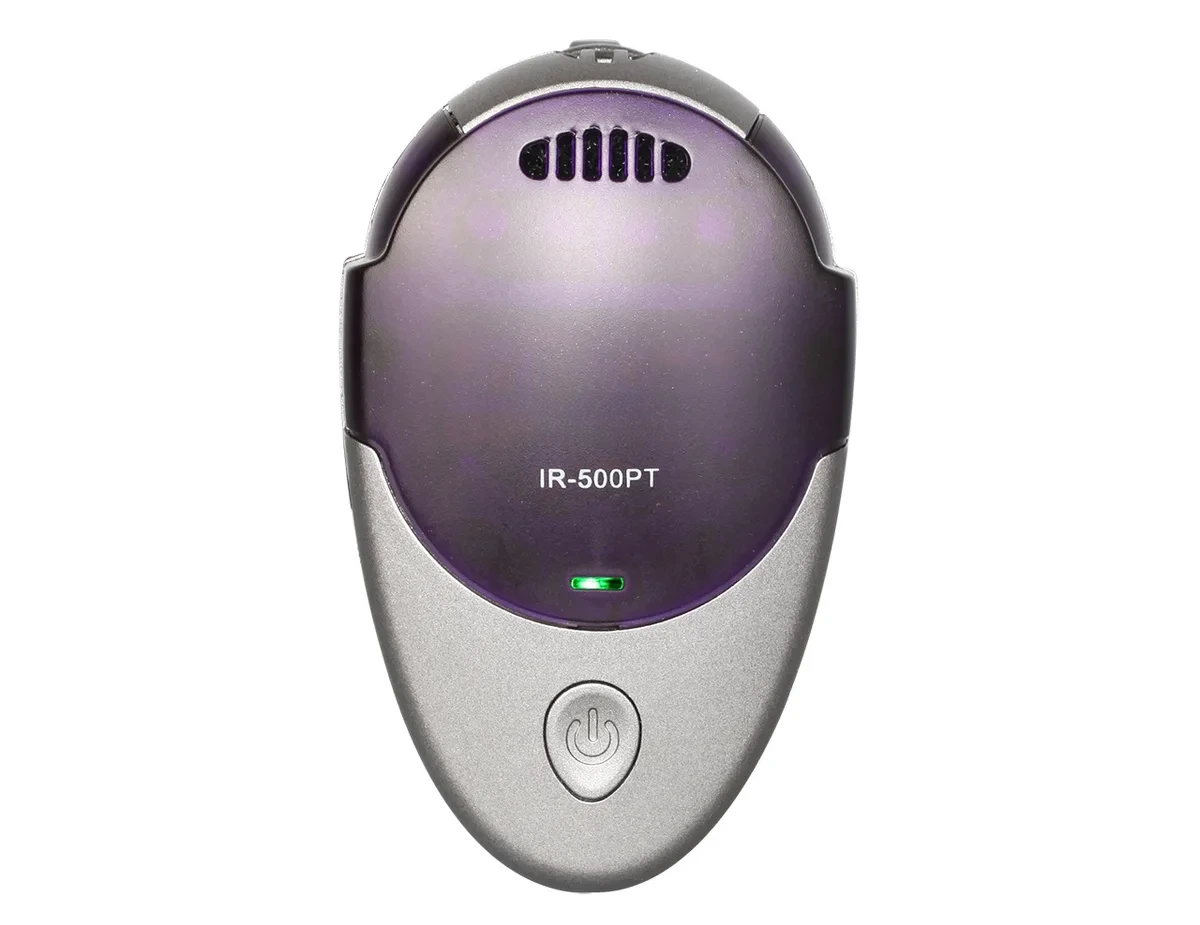
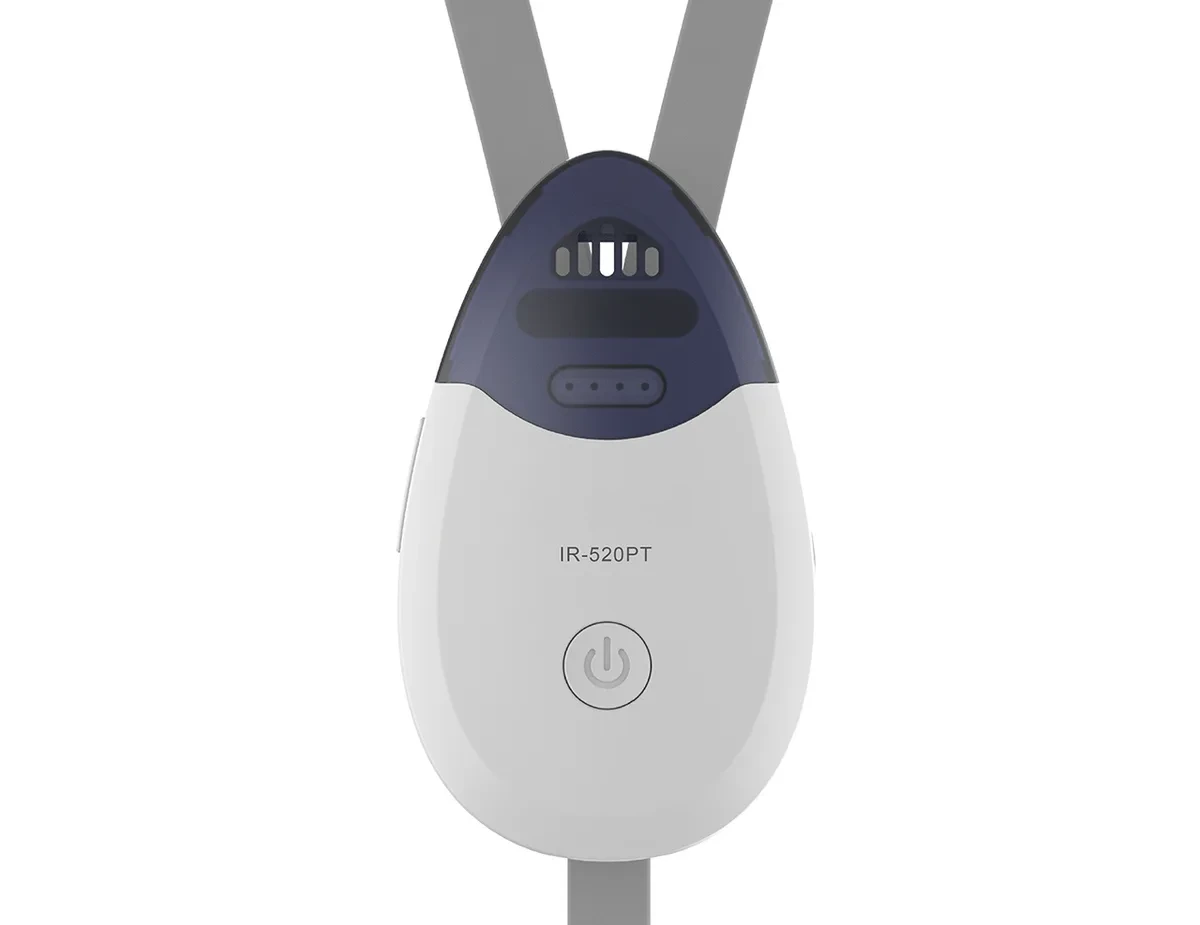
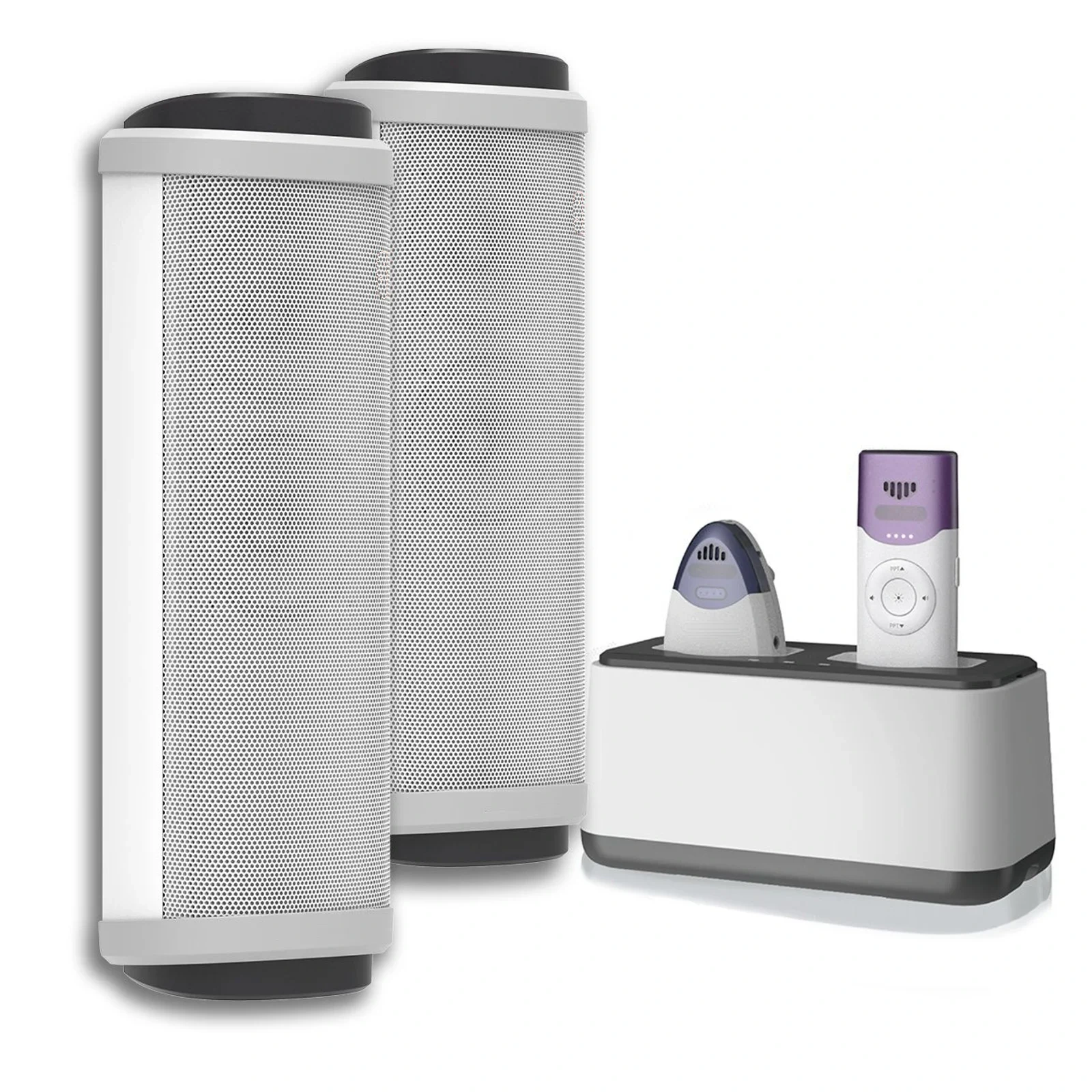
A soundfield system places a microphone close to the teacher’s mouth and reproduces their voice through speakers distributed around the room. Because the microphone is 15–20 cm from the mouth rather than three metres, the level at the microphone stays constant regardless of where the teacher stands or how noisy the room becomes. The teacher can then speak at a near-natural level while the system provides the coverage.
The measurable effect is a reduction in the Lombard reflex — the automatic tendency to raise your voice as background noise rises. When amplified speech reaches the listener at 10–15 dB above the noise floor, the teacher no longer needs to compete, and vocal effort drops accordingly.
What the research shows
Studies of soundfield amplification in primary classrooms have reported reductions in teacher-reported vocal fatigue and fewer sick days attributed to voice problems, alongside improved speech recognition scores for students at the back of the room. Results vary with room acoustics and with how consistently the system is used, but the direction is consistent enough that several education authorities now include soundfield systems in voice-protection guidance.
It is worth being precise with a school’s occupational health team: soundfield amplification is a control measure, not a cure. It reduces the vocal demand of the room. It does not replace voice training, hydration or recovery time.
Specification choices that affect vocal load
Microphone format. A pendant or headworn microphone keeps a constant distance from the mouth. A handheld microphone, held at varying distances, forces the teacher to compensate with vocal effort or with the volume control. For voice protection, a hands-free microphone worn at chest height is the better default.
Consistent gain. A system whose level changes as the teacher moves encourages constant adjustment. Infrared receivers with automatic gain control and a wide sensor coverage pattern keep the level stable across the teaching area.
Speaker placement. Speakers should be forward of the teacher and aimed at the listeners, not back at the microphone. This keeps gain-before-feedback high, so the system can run at a comfortable level without ringing — which in turn stops teachers from turning the volume down and reverting to projection.
Room acoustics. Reverberation reduces intelligibility and raises the level needed for the same perceived clarity. In rooms with hard floors, glass and high ceilings, acoustic treatment should be considered alongside, not instead of, amplification.
Making it part of daily routine
The systems that reduce vocal load are the ones teachers actually use. That means charging that happens automatically — a dock by the door, or a dock in the room where the microphone lives — a single on/off control, and no channel selection. If using the system adds a task at the start of a lesson, usage will drift down within a term.
Schools that measure success usually track two things: teacher-reported voice comfort at the end of term, and whether the microphone is out of its dock during lessons. The second predicts the first.
Where to start
A pilot in the rooms with the highest noise floors — science labs, music rooms, double-height halls — will show the effect fastest. Equip two or three rooms, survey staff after a half term, then extend the same configuration to the rest of the building.
Seekika Audio supplies infrared soundfield systems and pendant microphones for classroom voice reinforcement. We can provide sample units for a pilot and help specify microphone format and speaker layout for the room types in your building.
FAQ
Does a soundfield system really reduce teacher voice strain?
It reduces the vocal effort needed to reach the back of the room, because the teacher can speak at a near-natural level while the system provides coverage. Schools typically pair it with voice training and hydration guidance rather than treating it as a standalone fix.
Should every teacher have their own microphone?
In primary schools, yes — one microphone per classroom with a dock in that room is the simplest arrangement. In secondary schools where teachers move between rooms, a personal microphone with a charging point in the staff room often works better.
Is a headworn microphone better than a pendant?
A headworn microphone keeps the closest and most consistent distance from the mouth and gives the highest gain before feedback. A pendant is more comfortable for teachers who dislike wearing a headset and is usually sufficient in a standard classroom. Many schools standardise on pendant for daily use and keep one headworn microphone for large or noisy rooms.
How loud should the system be set?
The usual target is speech arriving at the listener 10–15 dB above the room’s background noise, measured at the back row. In practice, set the level so the teacher can be heard clearly at the back while still sounding natural at the front — and mark the setting so it does not drift.