Inside Seekika Audio: How We Specify, Source and Test Classroom Audio Systems
Classroom audio equipment is bought on trust. A school specifies a system, installs it in forty rooms and expects it to work for a decade with minimal attention. That expectation is met or broken long before installation — in the specification that gets written, in the factory that gets chosen, and in the checks made before the cartons leave.
This article describes how Seekika Audio specifies, sources and verifies classroom audio systems, and what those checks mean for a school or integrator specifying a fleet.
Specification starts with the room, not the product
Classroom audio has an unusual set of constraints: speech rather than music, a teacher who moves around, a room with unpredictable noise, and users who will not read a manual. Every one of those constraints pushes in the same direction — consistent gain, wide coverage and operation that needs no decisions.
The brief we write therefore starts with the room types we are asked to serve: standard classrooms, science labs, lecture halls, training rooms and gymnasiums. Each has a different noise floor, reverberation profile and coverage requirement, and we hold candidate models against those profiles rather than against a single lab condition.
Acoustic verification
Speech intelligibility is driven by the consonant band, roughly 2–6 kHz, where a small boost improves clarity and too much produces harshness. The soundfield systems we supply are voiced for speech, with a gentle presence lift and controlled low-frequency response to reduce boom in rooms with parallel walls.
Each model is measured on axis and off axis, because a teacher is rarely directly in front of a speaker. The off-axis response is what determines whether the back corners of the room sound like the front.
Infrared emission testing
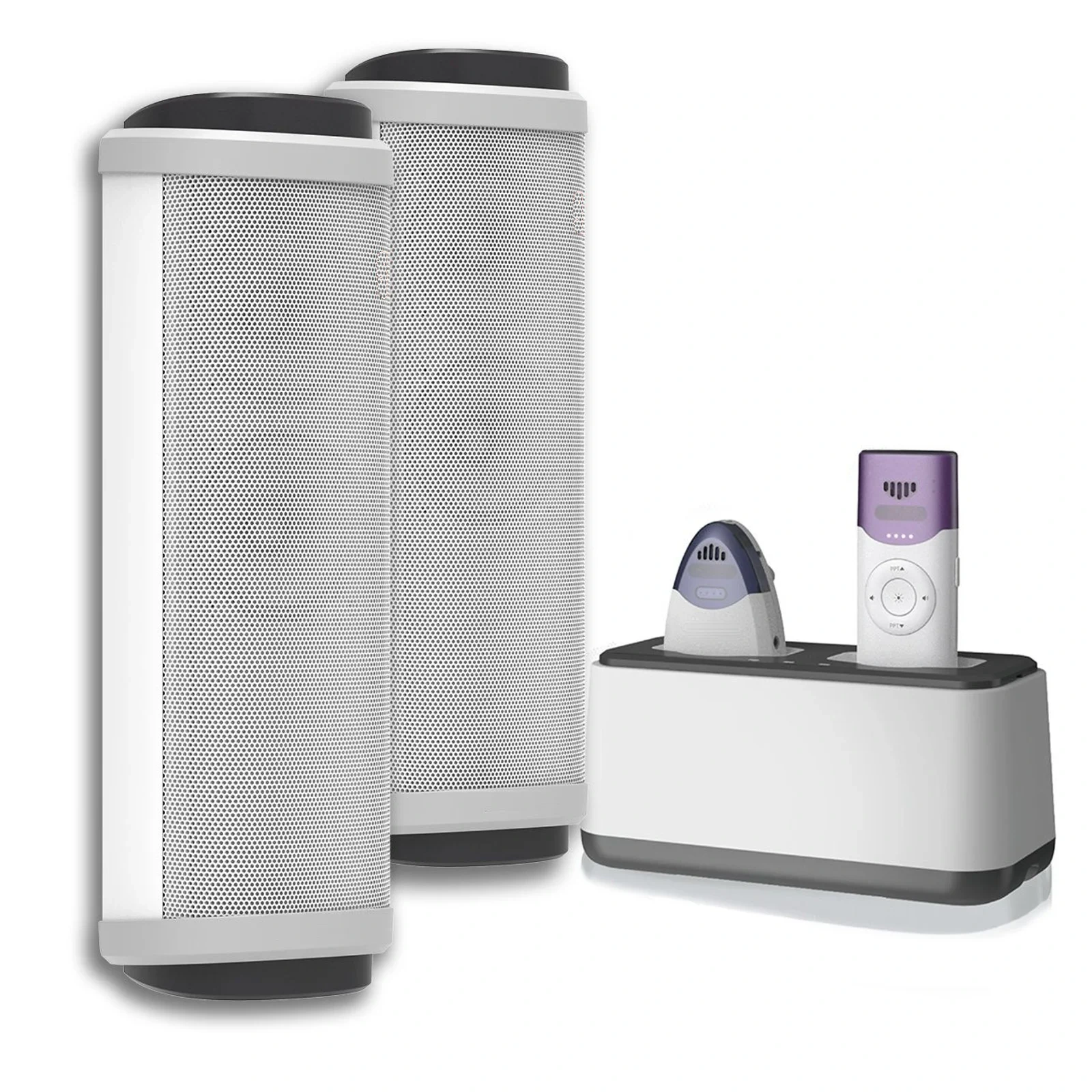
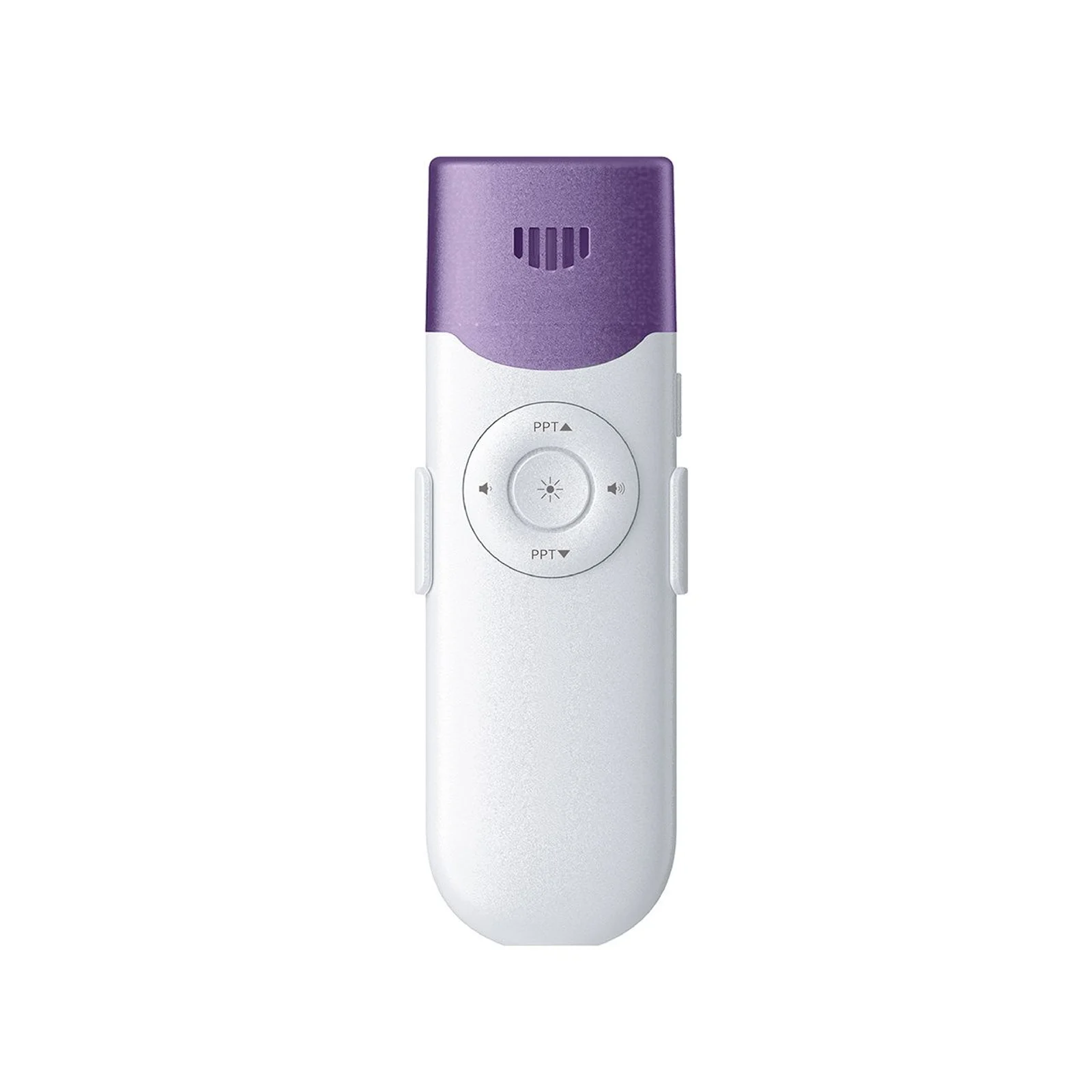
Infrared microphones are tested for emission angle as well as output. A microphone that emits strongly but narrowly will drop out whenever the wearer turns to the board — a fault that only appears in real classrooms. Production units are checked across the emission cone so the pattern matches the approved sample.
Receivers are tested for sensitivity across their field of view and for rejection of ambient light. A receiver that works under office lighting but saturates near a window will fail in a west-facing classroom in the afternoon.
Battery qualification
Batteries are the most common cause of field complaints in any wireless product, so cells are qualified for capacity, cycle life and behaviour under partial charging. Microphones are tested for runtime at realistic speech duty cycles rather than continuous transmission, because a classroom microphone spends much of a lesson in near-silence.
Charging docks are tested for per-slot behaviour: whether a slot reports correctly when a microphone is removed, whether an empty slot is distinguishable from a charged one, and whether the dock tolerates being left powered with no microphones attached.
Ageing and burn-in
Every unit runs through a burn-in period at the factory before final test, which catches early-life component failures that would otherwise reach a school in the first term. Units are then tested for audio path integrity, USB enumeration, line output level and control interface response.
What this means for a specification
Ask any supplier three questions: how is the microphone’s emission pattern verified, what is the battery’s tested cycle life at classroom duty cycles, and what burn-in precedes shipment. The answers say more about field reliability than a datasheet’s headline specifications.
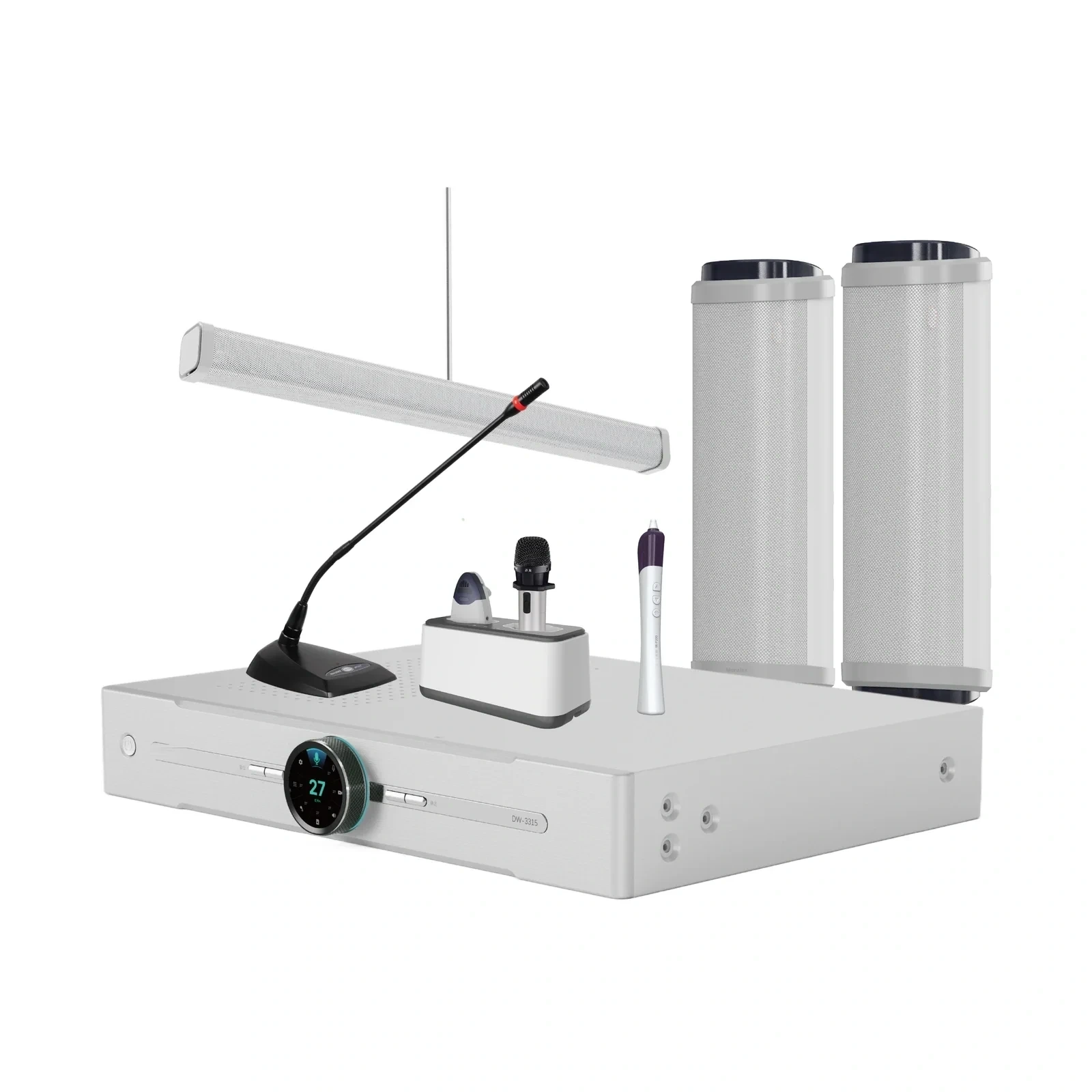
Seekika Audio is an OEM/ODM supplier of infrared classroom audio systems, microphones, receivers, charging infrastructure and speakers to schools, distributors and AV integrators. We write the specification and the sampling and inspection plan, and production is carried out by our manufacturing partners. Sample units and specification data are available for pilot projects.