What Classroom Audio Really Costs Over Ten Years

When a school compares classroom audio quotations, it usually compares unit prices. That comparison predicts very little about what the system will cost over its service life. Most of the money is spent after installation, in batteries, charging, support visits, spares and the teacher time absorbed by daily routines.
This article breaks down where the ten-year cost actually sits, and which specification decisions move it most.
Purchase price is a small share
Across a fleet of 40 classrooms, the initial equipment cost is typically a minority of the total cost of ownership once a decade of operation, maintenance and support is included. The exact ratio depends on the school and the system, but the direction is consistent: procurement decisions that reduce unit price by reducing supportability tend to cost more later.
Batteries and charging
Every wireless microphone has a battery, and every battery has a service life. The two variables that determine cost are the battery chemistry and whether charging happens automatically.
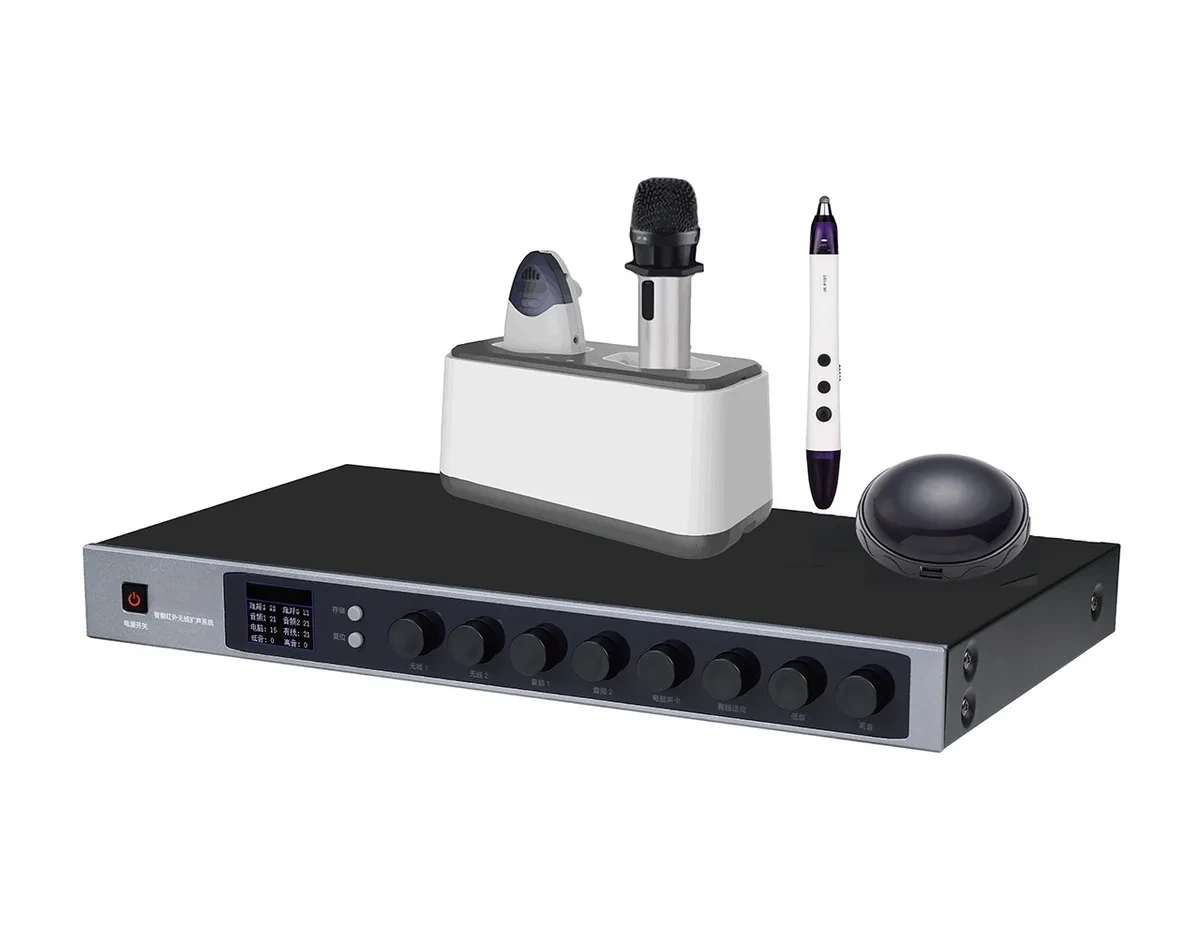
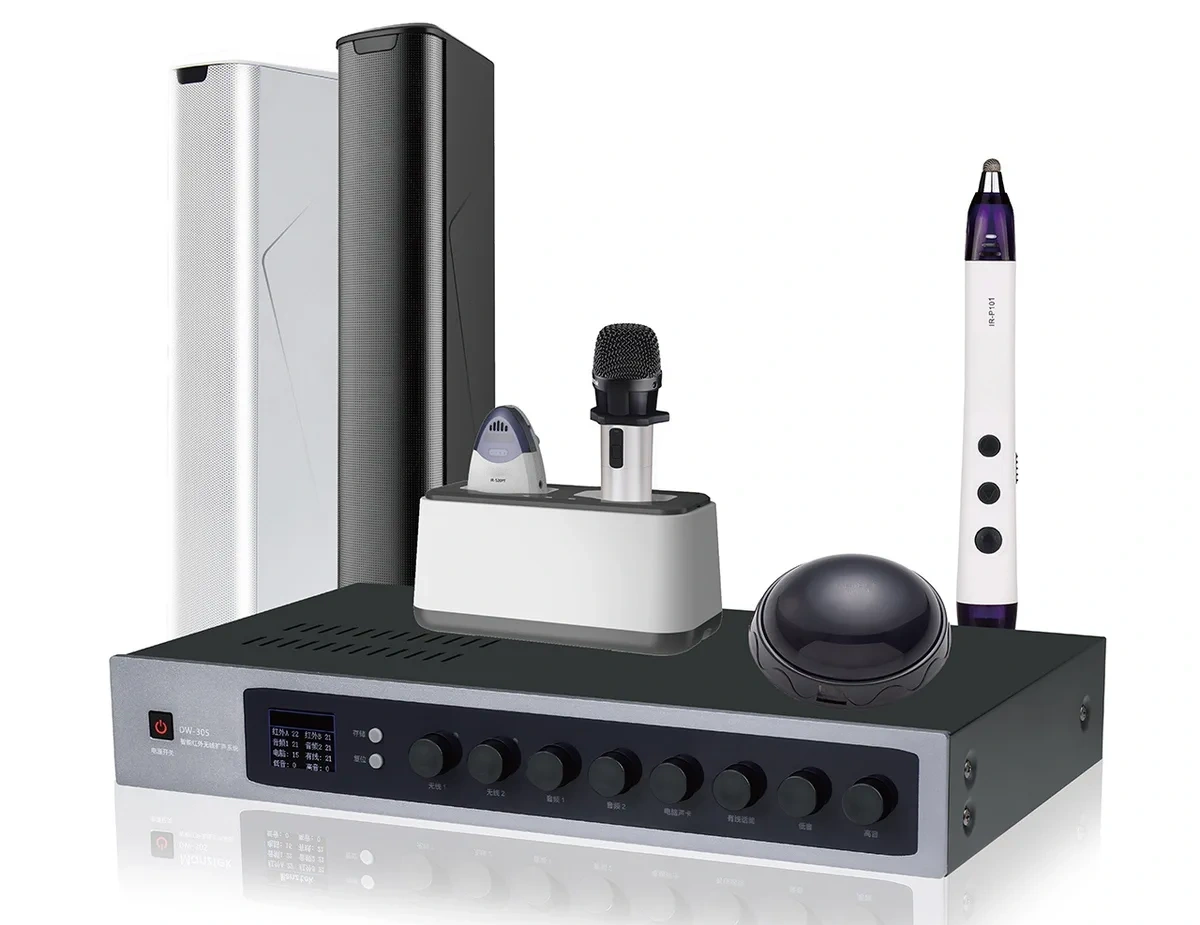
A microphone that docks in a cradle when it is not in use will cycle predictably and be ready every morning. A microphone charged by cable, stored in a drawer or left on a lanyard will be charged irregularly, and replacement batteries become an annual line item. Schools that standardise on docked charging routinely report fewer flat-battery incidents, which is the metric that matters to teachers.
Support visits
Support visits are expensive out of proportion to the fault, because most of the cost is travel and scheduling rather than repair. Systems that generate fewer visits share three characteristics: no channel pairing or frequency coordination, one microphone format across the building, and a visible battery indicator that lets staff self-diagnose.
Infrared classroom systems score well here because each room is independent. There is no channel map to maintain, no re-planning when a room is added, and no cross-room interference to investigate.
Spares
A school with six different microphone models needs six spares pools. A school with one model needs one. Standardising across a campus or a district reduces both the inventory and the training burden, and it makes a failed unit a same-day swap rather than a two-week order.
Teacher time
Time spent setting up audio is a real cost, even when it is invisible in a budget. A system that requires a channel check, a volume adjustment and a battery inspection at the start of every lesson consumes several minutes a day across the staff. Multiplying that by a school year produces a number larger than most schools expect.
The remedy is not more features. It is fewer decisions: one switch, one dock, one microphone that always works in the room it belongs to.
What to ask suppliers
- What is the expected cycle life of the microphone battery, and is it field-replaceable?
- Does the charging dock report battery state per slot?
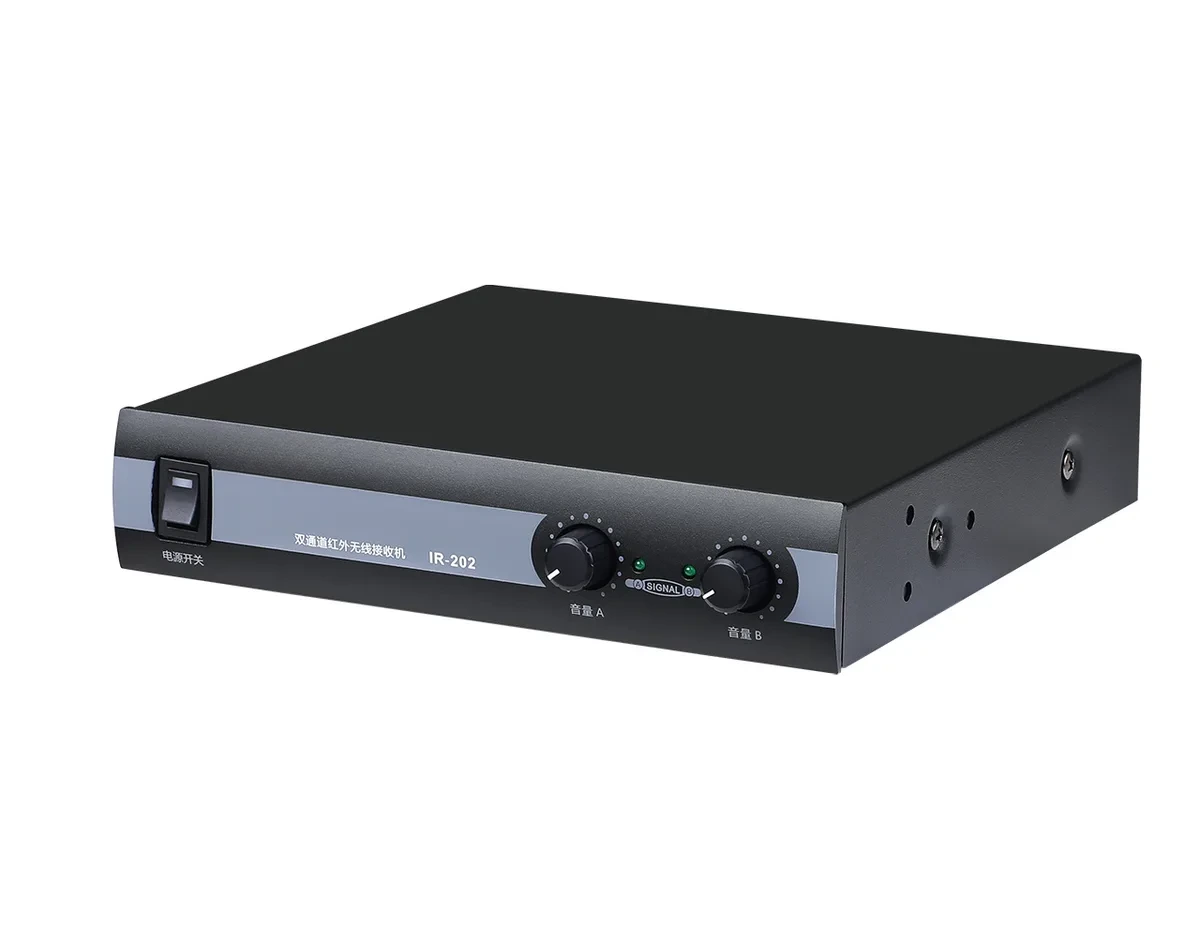
- Can the receiver be swapped without reconfiguring the room?
- Are all microphone formats in the range compatible with the same receiver?
- What is the typical annual failure rate across a fleet this size?
Building the case internally
Finance teams respond better to a ten-year model than to a unit price. Present the purchase cost, the expected battery and spares spend, and the projected support visits as three lines on one page. A marginally higher unit price with docked charging and a single microphone standard usually wins on that page — and it is also the system teachers prefer.
Seekika Audio can provide specification data, battery and charging details, and reference configurations to support a total-cost comparison for a campus or district rollout.